

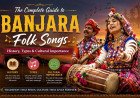
Oral Traditions of Gor Banjara Folk Literature & Songs
Explore the rich, orally preserved folk literature of the Gor Banjara tribe. An in-depth study of Nari Geet, Teej festival songs, and cultural links to Malwa and Nimad.

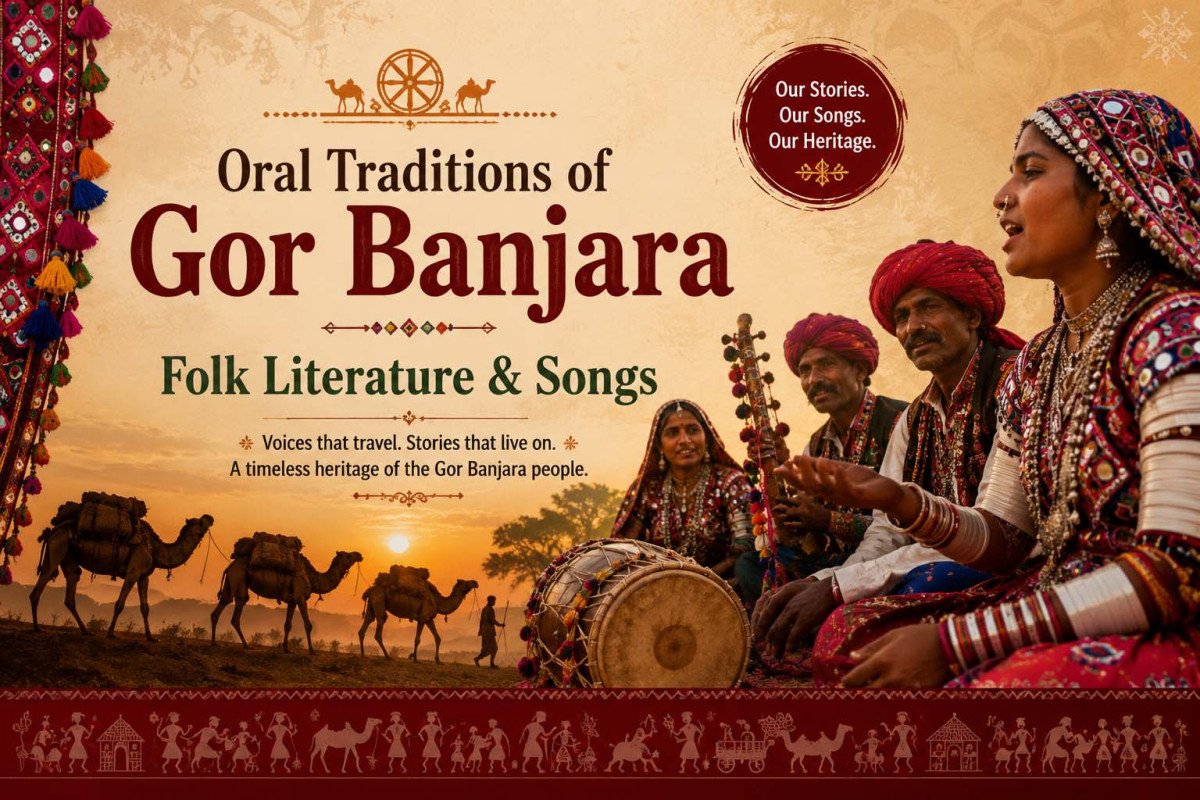
The Orally Preserved Heritage of Gor Banjara Folk Literature
The cultural history of any tribe is inherently incomplete without a deep and systematic study of its folk literature. As the renowned poet Rabindranath Tagore once noted, folk literature serves as the foundational bedrock of both literary and social history. It is the sole medium through which we can authentically study ancient civic life, uncovering the primitive history, values, and lived experiences of a community.
While the global academic study of folk literature began in the 19th century—marked in India by early British efforts like Mary Fryer’s 1858 collection of Bengali proverbs—the vast oral traditions of India’s ancient tribes remain a goldmine. If the folk literature of these communities is studied in exhaustive detail, the history of human life itself may well need to be rewritten. Among these, the Gor Banjara community holds a uniquely rich, orally preserved treasure trove of literature that reflects their historical journeys, deep connection to nature, and complex social structures.
Classification of Gor Banjara Folk Literature
The oral literature of the Gor Banjara people can be systematically categorized into several distinct genres, as explored in depth in Prof. Motiraj Rathod’s seminal work, ‘Banjara Loksahitya Mein Samaj Aur Samskriti’:
| Category | Components & Descriptions |
| Folk Songs | Ritualistic songs, festival melodies, children's rhymes, religious hymns, devotional music, and songs depicting tales of Kings and Queens. |
| Folk Tales | Narratives centered around religion, tribal history, mythology, and entertaining stories involving demons, princesses, and animals. |
| Legends | Public and local historical legends that root the community to specific geographies and ancestors. |
| Ritual Songs | Jalawa Dhoker, Nataro Geed, Wadai Geet, Gurumantra, Dhundh ritual songs, and Waya Nakata (cremation/funeral laments). |
| Festival Songs | Teej songs, Dussehra, Diwali, Holi melodies, Nari Song, and Ghati Parer Geed. |
| Saki & Gatha | Saamler and Olakher Saaki (couplets); Epic narrative ballads (Lokgatha) such as Eralu Kanhayi. |
| Kelawat | Riddles, proverbs, and witty conversational wordplay. |
The Centrality of Nari Geet (Women’s Songs)
In Gor Banjara folk literature, women’s songs (Nari Geet) hold a position of paramount importance. While men dominate the religious and worship songs during festivals like Holi, women’s voices guide every social and familial ritual.
As the noted scholar Durga Bhagwat observed in Loksahitya:
"Folk literature is an impression of the tender and auspicious feelings of the women and of the children’s wild imaginations."
Dr. Manohar Sharma further expands on this community-centric nature in Loksahitya Ki Samskritic Parampara, stating that a folk song is a song of the heart that encompasses the feelings of the entire community rather than just an isolated individual.
The folk songs of Gor Banjara women can be broadly divided into three performance-based categories:
-
Ghati Parer Geed (Songs sung while grinding grain on stone mills)
-
Nacher Geed (Dance songs)
-
Balloachya Sawarer / Ramader Geed (Playful, interactive, or ceremonial songs)
Substantive Analysis of Key Folk Songs
The following sections present authentic transcriptions of Gor Banjara folk songs, complete with structural analysis, demonstrating a profound intersection with the lifestyle of Kshatriya Gorvamshiyas in the Nimad and Malwa provinces.
1. Ghati Parer Geed: Grinding Songs and Domestic Anguish
Sung to the rhythm of the heavy stone-grinder, these songs serve as an emotional outlet for young brides navigating the hardships of their new marital homes.
-
Original Text:
आद्लिक पिसु बाई पालीक पीसु ये… सासु मारी सदेती बोलेनी बाई ये… आळी आळी गराळों करछ बाई… उठ परभातीन पाणी भरन सडा सारण करु छु… सासुरे पेटम कपट बाई ये…. सासु मर जाणुं, ससरो मर जाणुं, देवरेन मसोबा खाजाणूं बाई ये….. नळंद मर जाणुं, जेठेन तो आसराई खा जाणुं बाई ये…. कलप कुंजी हात आवजाणुं बाई ये… (Courtesy: Mrs. Sakai Jadhav, Taroda)
-
Exegesis: Before leaving her maternal home, a Banjara girl promises her parents that she will endure any hardship without bringing dishonour to the family. However, this song captures the breaking point of that endurance. Despite rising at dawn, fetching water, cleaning the home, and plastering the floors with cow dung, the bride finds her mother-in-law unappeased and full of malice. In her deep frustration, the bride vents her anger through dark, hyper-bolic wishes—praying that local spirits and deities (Masoba and Aasara) consume her in-laws, leaving her with the keys to the house so she and her husband can finally live in peace.
2. The Curse of Poverty and the Role of the Naik
This deeply emotional piece highlights the stark reality of poverty within the Tanda (settlement) and the traditional authority of the Naik (tribal chief).
-
Original Text:
हमारे तांडे में बाई जोगी आयोच ये… सेर पसो लावुचु, पिसन खाउँचु ये… जोगीर झोळीस काई घालु बाई ये… घरे आंग बाई तूळसी लगायी ये… रोज करू छु पुजा बाई ये…. हाटेनी गरीबी घरेरी बाई ये… आंगेळे म ऊभे देव धरम ये, हात जोडन विनंती करूछू ये…तरी हाटेनी गरीबी बाई ये… देव धरम लाचारी लेरे छ ये… कुण हटाय गरीबी बाई ये… ओ गरीबीन रंग चडे मंणेरो ये…;धोयती जायेनी बाई ये… चांदा सुरीयारी जोड तपच ये…;छेनी मारी जीवेरी आब बाई ये… आंगळेम उभो नायक नसाबी ये…;का सतवा लेरो छी बापू र हमारो ये! (Courtesy: Smt. Sakari (Phufi) Chavan, Dindala)
-
Exegesis: A wandering ascetic (Jogi) arrives at the door asking for alms, but the woman of the house has barely a handful of grain to grind for her own survival. She laments that despite planting and worshipping the sacred Tulsi plant daily, her poverty burns as relentlessly as the sun and moon. Even the gods seem powerless against her destitution. Her ultimate appeal turns local: she looks to the Naik standing in her courtyard. The Naik, as the traditional leader and dispenser of justice in the Tanda, holds the power to alleviate her suffering, though he is currently testing her resolve.
3. Sisterly Protectiveness and the Danger of the Market
This song captures the playful yet protective relationship a married sister maintains with her younger, handsome brother.
-
Original Text:
“हाटेरो हाटीलो विरेणा हाट मत जो, ति वडतीयारी छोरी रो छेडा लागीये, क धको मारीये, हुसी विरेणा हाट मत जो, वडतीयारी छोरीर नजर लागीये, लोभी वीरा हाट मत जो” (Courtesy: Zimapri Kaki, Didanka)
-
Exegesis: Sung at the grinding stone, the sister warns her stubborn and naive brother against visiting the local market. She fears that the mischievous and beautiful girls of the Wadiya (Jadhav) clan will intentionally bump into him, adjust their headgear to catch his eye, and ensnare his simple heart in their web of love.
4. The Pride of the Bridal Dowry (The Oxen)
The Gor Banjara share an ancient, deep-rooted bond with cattle, which is vividly illustrated in this duet sung by a sister-in-law (Nanand) and brother's wife (Bhojai).
-
Original Text:
“तेली रो बळद सन गारी ये,….. गळ घुघर माळा वीरा वाळी के;मारो नवसे रो डोळीया। घाल गेळम माळा ये….हेली करछ चाळा। विरा वाळी रो बळद तलगांण्या ये….वीराती खावच टाळा।” (Courtesy: Mrs. Yamuna Rathod, Hatgaon)
-
Exegesis: In Banjara culture, a father gifts two beautifully adorned oxen to his daughter at her wedding. In this song, the bride boasts about her magnificent oxen, decorated with ghunghroo (bell) necklaces in the Telangana style. Her sister-in-law playfully retorts, accusing her of showing off her ornaments too proudly while reminding her not to neglect her brother in the process.
5. A Brother's Witness to Poverty
A heartbreaking narrative of a brother discovering the severe poverty of his married sister.
-
Original Text:
“खिलारी जोडी बाई, झुलेवाळो टांगा ये…., वीरा मारो पामळों आयोच बाई ये…..। भाईन देखन भेन कवाड लगायी ये…… वेजारीर ú घर जान बैठी बाई ये….. जारन बाई मारी भेनेन मेलद… झटकन कवाड वघाडी बाई ये…. फाटीसी सादरी बेसेन दिनी ये… फुटेसे लोटाम जळ दिनी बाई ये… देखन बाई री हालत ये.. वीरा रे आखिम पाळीं बाई ये… विरा हीरारी ईटी काढन दिनोä बाई ये…. विराúÉ न लेजान बनियान दिनी ये…. रोती रोती लाडू बळांई, बाई ये…..” (Courtesy: Mrs. Kalpana, Swati, and Rajashri Rathod, Aurangabad)
-
Exegesis: A wealthy brother arrives in a grand bullock cart to visit his sister. Ashamed of her absolute destitution, the sister initially hides at a neighbor's house. Upon returning, she offers him a torn mat to sit on and water in a cracked vessel. Moved to tears by her plight, the brother slips off his diamond ring and gifts it to her. She quickly takes it to the local merchant, barters it for provisions, and cooks sweet laddoos for her brother, weeping with a complex mixture of gratitude and sorrow.
6. The Request for a Domestic Well
-
Original Text:
“बापुन के वीरा कुवलो खदाद, मयी भरीवं मारी कुवले को ढंडो पाणी लाडी भोजाई भरीय, वीरा कुवलो खदाद, बापुन के वीरा…. भोजाई भरीय, मारी सातळं भरीय-वीरा कुवलो खदाद” (Courtesy: Mrs. Kamal Rathod, Gaul)
-
Exegesis: A daughter requests her brother to convince their father (Bapu) to dig a water well near the household. She explains that her sister-in-law (Bhabhi) currently has to travel great distances to fetch water. A local well would provide cool water for the family, the Bhabhi, and all her childhood friends.
Inter-Regional Affinities: Malwa and Nimad Connections
The Gor Banjara are fundamentally the children of Mother Nature, and their lifestyle is intimately tied to environmental cycles. A comparative analysis of their riddles and quizzes (Kelawat) reveals an undeniable cultural overlap with the Malawi and Nimadi folk traditions, confirming their ancestral roots and historic migrations through these provinces.
During the Teej and Gangaur festivals—celebrated when the monsoon rejuvenates the earth with greenery—youth engage in poetic riddles:
The Poetic Riddles (Quiz)
-
Theme 1: The Raw Fruit
-
Malawi Riddles:
कच्ची केरी कच्ची पक्की, पाकन दे दिनचार, काची मत तोड जो, म्हारो जीबन अकारण जाय। -
Gor Banjara Response:
काचो हुल्डा कच काचीयाये, नख लागे जीव जाये। घर दनी न खादो परदेशी कैसे खाव।
-
-
Theme 2: Adornment and Heartbeat
-
Malawi Riddles:
आटी डोरा कांगसी सीस गुंथाये जाय। सामे मिल गया, सायबा छाती धडक जाय। -
Gor Banjara Response:
हास बांधु हासली खेचन बांधु आटी।
-
The Teej Costume Song
Teej demands that women dress in their finest traditional attire and heavy jewelry. A woman who remains unkempt is barred from the community dance circle. The following song depicts a woman who, having rushed to adorn herself, begs her peers for inclusion:
-
Original Text:
“बला बला कोचो बाई, बला केती वेगी ये… मन आयेदो झुलरेमा ये… नाकेम भुरीया न भुरीयान साकळी मन.. गळेम हासली न हासलीन तितरी मन… बला बला… हातेम, चुडीयान, चुडीयान बोदलु मन.. बला बला… कडेन घाघरो न घाघरेन डोरी मन.. बला… मातेय लोवडी न लोवडीन घुंघटो मन…बला….” (Courtesy: Audio Recording – Wali Yadi)
-
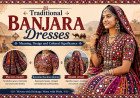
Exegesis: "Do not insult me or exclude me anymore! Look at me, I am ready and beautiful. I have placed the golden ring (Bhuriya) and chain in my nose, the heavy Hasali and Titari necklaces around my neck, and traditional bangles with Bodul on my arms. My massive, multi-tiered Ghaghra is securely tied, and my head is draped in the traditional Lovdi (veil). Let me join the group dance!"
Conclusion: Preserving a Dying Rhythm
The rhythmic cadence of the stone-grinder, the specific pitching of the Teej songs, and the seasonal melodies (Ritu Geet) constitute an intangible heritage of immense value. As modernized flour mills replace stone-grinders and urban migration scatters the traditional Tandas, these unique musical scales and vocal inflections face immediate extinction. Documenting the texts, recording the original vocal hooks, and understanding the embedded socio-cultural histories is a vital duty toward preserving the ancient civilizational footprint of the Gorvamshiya Banjara tribe.
Frequently Asked Questions
What's Your Reaction?
 Like
0
Like
0
 Dislike
0
Dislike
0
 Love
0
Love
0
 Funny
0
Funny
0
 Wow
0
Wow
0
 Sad
0
Sad
0
 Angry
0
Angry
0


Comments (0)