
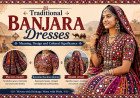
Traditional Banjara Dresses: Meaning, Design and Cultural Significance
Traditional Banjara dresses are among the most colorful and distinctive tribal costumes in India. Featuring the embroidered Phetiya, Kanchali, and Odhni, these garments reflect the history, identity, artistic traditions, and cultural heritage of the Gor Banjara community.

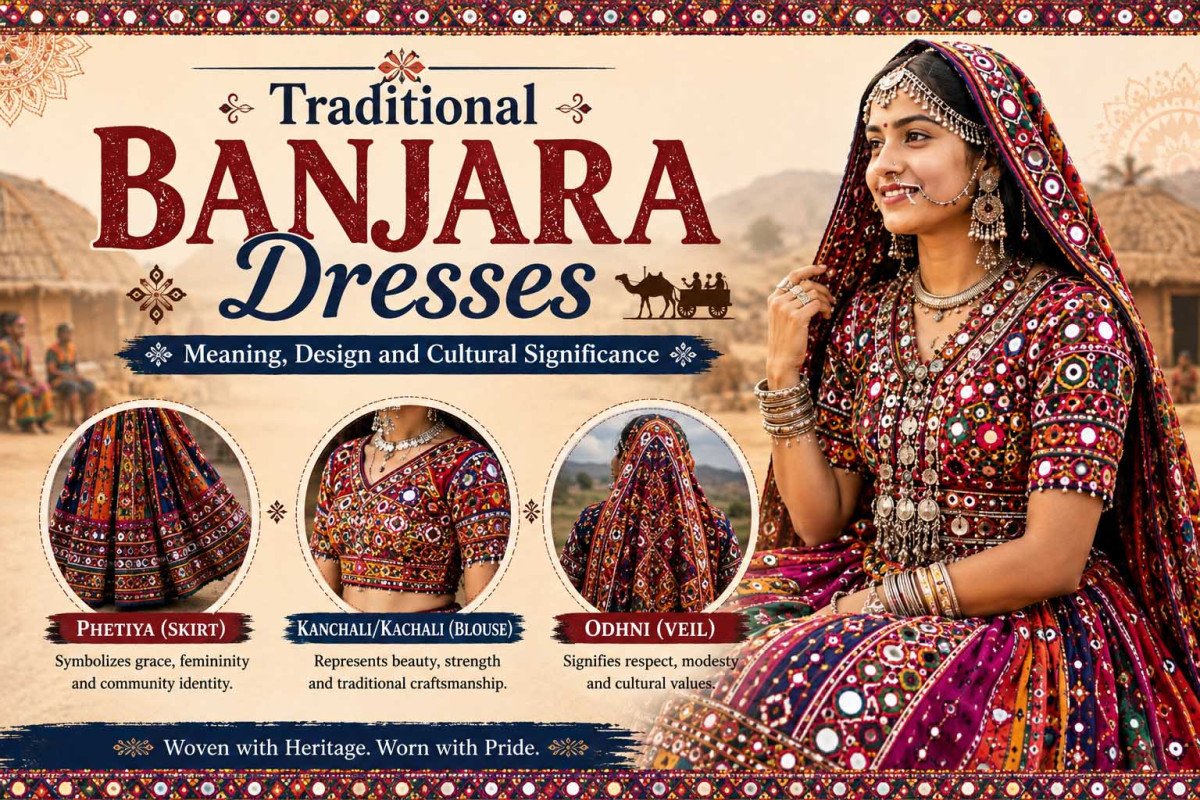
Traditional dress is one of the strongest symbols of cultural identity. Among the Gor Banjara community, clothing is not merely a means of covering the body but a living expression of history, heritage, artistic skill, and community pride. The traditional costumes of Banjara women—particularly the Phetiya (skirt), Kanchali/Kachali (blouse), and Odhni (veil or head covering)—are recognized across India for their vibrant colors, intricate embroidery, decorative mirrors, shells, coins, and distinctive designs.
The uniqueness of Banjara dress lies in its remarkable uniformity across different regions of India. Although Banjaras are spread across several states and are known by names such as Lambadi, Lambani, Sugali, and Lamani, their traditional costumes retain a common identity. This shared style has enabled Banjaras to preserve their cultural distinctiveness for centuries. According to the Handicraft Survey Report on Banjara Embroidery, a Banjara woman can be easily recognized anywhere in the country because of the characteristic design and embroidery of her dress. Women traditionally make these garments themselves using skills passed from one generation to another.
This article explores the meaning, design, symbolism, and cultural significance of traditional Banjara dresses while briefly discussing embroidery, craftsmanship, livelihood, and preservation efforts.
Historical Background of Banjara Dress
The Banjaras are believed to have originated in Rajasthan and later migrated across India while working as transporters of grain, merchandise, and military supplies. Even after settling in different regions, they maintained a common dress tradition. Their clothing became a marker of identity that distinguished them from surrounding communities.
Because Banjaras lived in separate settlements known as Tandas, their customs and artistic traditions remained relatively protected from outside influence. Their embroidery and dress styles evolved as part of everyday life rather than as commercial crafts. Traditional garments were created primarily for personal use and cultural continuity rather than for trade.
For generations, Banjara women invested significant time and effort in creating their own garments. These clothes reflected not only aesthetic beauty but also social values, community identity, and inherited traditions.
Traditional Banjara Costume: An Overview
A complete traditional Banjara woman's attire generally consists of:
- Phetiya (embroidered skirt)
- Kanchali/Kachali (embroidered blouse)
- Odhni or Ghunghato (veil/head covering)
- Traditional ornaments made from silver, shells, coins, ivory, beads, and metal pieces
Together, these elements create one of India's most visually striking tribal costumes.
The clothing is characterized by:
- Bright and contrasting colors
- Extensive hand embroidery
- Mirror work
- Decorative shells (Kawadya)
- Coins and metallic embellishments
- Geometric and symbolic patterns
- Durable handmade construction
Every component serves both practical and symbolic purposes.
Kanchali (Kachali): The Traditional Banjara Blouse
Structure and Design
The Kanchali, also known as Kachali, is perhaps the most distinctive part of Banjara women's clothing. It is a blouse with a partially open back and a highly decorative front. The survey report describes it as a unique garment made from several colorful pieces of cloth stitched together to form intricate patterns. Red and black are the most commonly used colors, although other bright shades are also incorporated.
The front section is composed of different parts known as:
- Chhati
- Peti
- Bahi
The upper portion, called Chhati, functions similarly to a bra and provides support. Traditionally, before modern undergarments became common, this section fulfilled both practical and decorative roles. The back remains largely open and is secured with strings called Dari. These strings are tied around the neck and waist to hold the garment firmly in place.
Decorative Elements
The beauty of the Kanchali lies in its ornamentation. Traditionally, Banjara women decorated it with:
- Sea shells (Kawadya)
- Old coins
- Silver ornaments
- Lead embellishments
- Mirror pieces
The use of these materials creates movement, shine, and texture, making the garment visually impressive during dances, ceremonies, and festivals. Brides wear specially decorated Kanchalis that include additional mirrors and elaborate embroidery. Their designs differ from ordinary Kanchalis and symbolize the importance of marriage and womanhood.
Symbolic Meaning
The Kanchali symbolizes:
- Womanhood
- Cultural identity
- Artistic skill
- Community belonging
- Respect for tradition
Its handcrafted nature reflects patience, creativity, and the inherited knowledge of Banjara women.
Phetiya: The Traditional Banjara Skirt
Structure and Components
The Phetiya is the traditional skirt worn by Banjara women. It is a large, colorful garment that combines comfort, beauty, and craftsmanship.
According to the survey report, the Phetiya consists of several sections. The upper portion is called Lepo, which acts as a cloth belt tied around the waist. Women often display their finest embroidery skills on this part. Below the Lepo is the Ghero, made from contrasting bright-colored fabrics, commonly black and red. Additional sections are joined together to create a flowing and visually appealing skirt.
Artistic Features
The Phetiya is known for:
- Rich embroidery
- Contrasting color combinations
- Decorative stitching
- Shell and mirror embellishments
- Layered construction
The skirt's wide flare enhances movement during traditional dances and festivals, making it both functional and beautiful.
Symbolic Significance
The Phetiya represents:
- Femininity
- Community pride
- Traditional aesthetics
- Cultural continuity
The extensive embroidery reflects the dedication of women who spend weeks or even months completing a single garment.
Odhni (Ghunghato): The Veil of Respect and Identity
The Odhni, also known in some areas as Ghunghato, forms the third major component of traditional Banjara attire.
Traditionally worn over the head and shoulders, the Odhni serves multiple purposes:
- Protection from sunlight and dust
- Expression of modesty
- Symbol of respect
- Cultural identification
Like the Kanchali and Phetiya, the Odhni is richly decorated with embroidery, mirrors, shells, and colorful borders. During ceremonies and festivals, women wear especially ornate Odhnis that complement the rest of their attire.
In many Banjara communities, the Odhni also carries social significance. Married women often wear it in the presence of elders and during religious functions as a mark of respect.
Colors and Their Cultural Meaning
One of the most striking aspects of Banjara dress is its vibrant color palette.
Common colors include:
- Red
- Black
- Yellow
- Blue
- Green
- Orange
These bright colors are believed to reflect joy, energy, prosperity, and celebration. The contrast between dark and bright shades creates visual impact and highlights the embroidery patterns.
Red is particularly important because it is associated with:
- Marriage
- Fertility
- Strength
- Auspiciousness
Black, often combined with red, provides contrast and helps emphasize decorative motifs.
The use of multiple colors also reflects the nomadic heritage of the Banjaras, whose clothing was designed to stand out and maintain a recognizable identity wherever they traveled.
Embroidery as Cultural Expression
Although the primary focus of this article is dress, Banjara clothing cannot be understood without acknowledging embroidery.
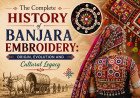
Banjara embroidery is entirely hand-made and traditionally performed by women. The craft is learned informally from mothers and older female relatives. Children observe the work from an early age and gradually acquire the skills required to create garments.
The embroidery includes:
- Cross-stitch work
- Geometric patterns
- Mirror work
- Decorative shell attachments
- Colored thread designs
The artistic value of these garments comes not only from the finished product but also from the process of creation, which embodies patience, discipline, and creativity.
Traditional Dress and Social Identity
Traditional Banjara dress functions as a powerful social marker.
Historically, a person's clothing immediately identified them as belonging to the Banjara community. The distinctive patterns, embroidery, and ornaments differentiated Banjaras from neighboring groups. This visual identity strengthened community bonds and helped preserve cultural traditions across generations.
Traditional attire also reflects:
- Family heritage
- Tribal affiliation
- Marital status
- Social customs
- Community values
Special garments are often prepared for life-cycle events such as marriages, festivals, and religious ceremonies.
Role of Dress in Festivals and Ceremonies
Traditional Banjara clothing plays a central role during:
- Weddings
- Religious gatherings
- Community festivals
- Cultural performances
- Folk dances
Brides wear particularly elaborate versions of the Kanchali and Phetiya, featuring additional mirror work and decorative embellishments. These garments are often treasured family possessions passed down through generations.
During dance performances, the movement of mirrors, shells, and metallic ornaments enhances the visual appeal of the costume, creating a vibrant display of Banjara culture.
Changing Trends and Cultural Challenges
The survey report notes that while older generations continue to value traditional attire, younger generations increasingly prefer modern clothing such as saris, skirts, and blouses. Many young people view traditional costumes as heavy, expensive, and less practical for contemporary life.
Several factors contribute to this change:
- Urbanization
- Formal education
- Social interaction with other communities
- Rising production costs
- Time-consuming hand embroidery
- Availability of inexpensive modern garments
As a result, traditional dress is gradually becoming less common in everyday life.
Livelihood and Government Support (Brief Overview)
Traditionally, Banjara embroidery was not practiced as a commercial industry. Women created garments mainly for household use and cultural preservation.
Recognizing the artistic value of the craft, government agencies and the All India Handicrafts Board have organized training programs to preserve embroidery skills. Training centers were established in villages such as Ichchhapur, Ghodegaon, Rajdehere, and Vasantnagar, where women received instruction and stipends.
Experts have suggested adapting traditional designs to modern fashion while preserving the embroidery tradition. Such initiatives could create livelihood opportunities and help ensure the survival of this cultural heritage.
Conclusion
Traditional Banjara dress is far more than clothing. The Phetiya, Kanchali, and Odhni together represent centuries of history, artistic excellence, and cultural resilience. Every stitch, mirror, shell, and decorative motif reflects the creativity and dedication of Banjara women who preserved these traditions across generations.
These garments embody identity, community pride, womanhood, and continuity with the past. Even as modernization influences clothing preferences, traditional Banjara dress remains one of the most remarkable expressions of India's tribal heritage. Preserving and promoting this legacy is essential not only for the Banjara community but also for safeguarding the rich cultural diversity of India.
Frequently Asked Questions
What's Your Reaction?
 Like
0
Like
0
 Dislike
0
Dislike
0
 Love
0
Love
0
 Funny
0
Funny
0
 Wow
0
Wow
0
 Sad
0
Sad
0
 Angry
0
Angry
0

Comments (2)