

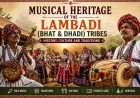
Musical Heritage of the Lambadi (Bhat & Dhadi) Tribes: History, Culture and Traditions
Explore the musical heritage of the Lambadi (Bhat & Dhadi) tribes, including their history, folk traditions, festivals, storytelling, devotional music, cultural identity, and preservation efforts.

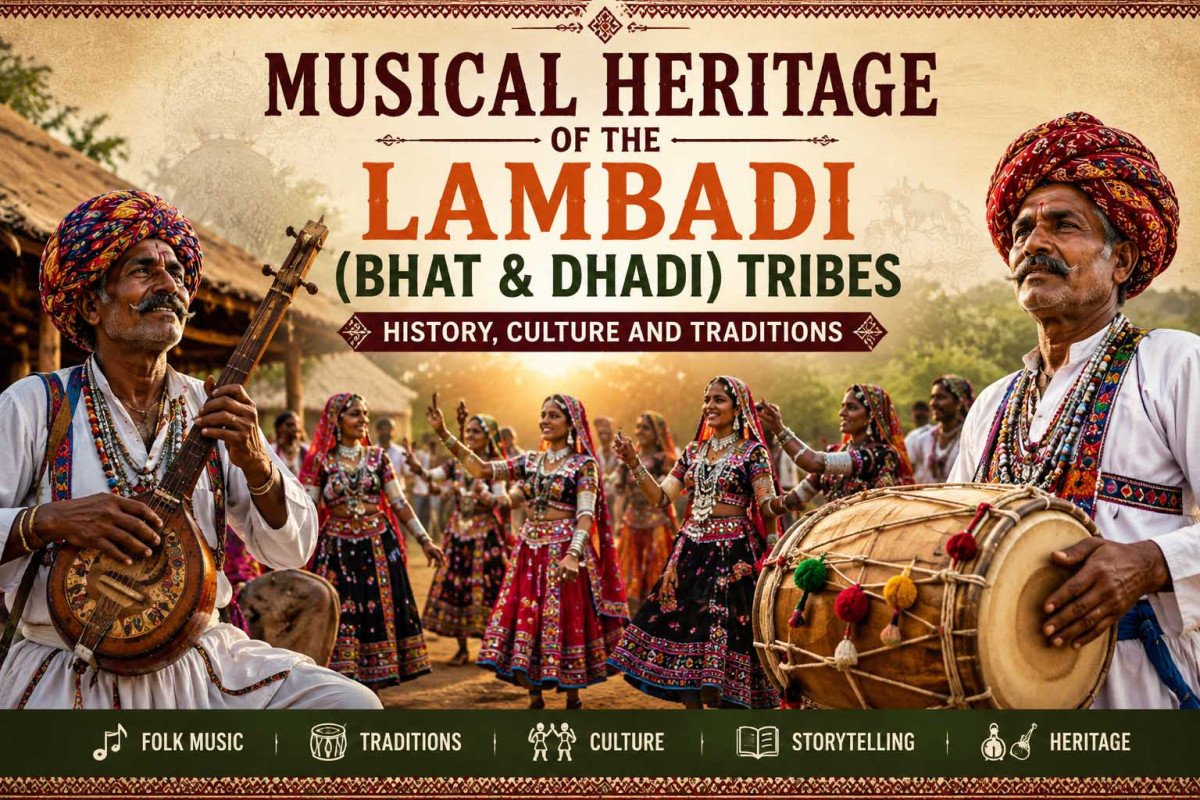
Music has always been one of the strongest expressions of human identity, memory, and tradition. For the Lambadi (Banjara) community, music is not merely a form of entertainment—it is a living archive of history, faith, folklore, and social values. Passed orally from one generation to another, Lambadi musical traditions have preserved the community's collective memory for centuries.
Among the most respected custodians of this musical heritage are the Bhat and Dhadi communities. Through their songs, stories, and performances, they have safeguarded the legends of heroes, clan histories, spiritual teachings, and cultural traditions of the Lambadi people. Their performances continue to strengthen community bonds and preserve an identity that has survived generations of social and cultural change.
Today, although modernization has transformed many aspects of tribal life, Lambadi music remains an essential symbol of cultural pride and continuity.
The Historical Roots of Lambadi Musical Heritage
The Lambadis, also known as Banjaras, are one of India's most prominent tribal communities. Historically recognized as traders and transporters, they travelled across different regions carrying goods, traditions, and cultural practices.
Their nomadic lifestyle encouraged the development of a vibrant musical tradition. Music became an important companion during long journeys, religious ceremonies, seasonal celebrations, and family gatherings.
Unlike written literature, the Lambadi community preserved much of its history through oral performances. Songs narrated stories of migration, bravery, devotion, love, sacrifice, and community values. Every performance became an opportunity to educate younger generations about their heritage.
Over centuries, this oral tradition evolved into one of the richest cultural expressions of the Banjara community.
Music as the Soul of Lambadi Culture
For the Lambadi people, music is deeply woven into everyday life.
Every important milestone is accompanied by singing and rhythmic performances, including:
- Birth celebrations
- Naming ceremonies
- Marriage rituals
- Harvest festivals
- Religious processions
- Community gatherings
- Seasonal festivals
- Devotional ceremonies
Rather than separating performers from audiences, Lambadi music encourages collective participation. Men, women, elders, and children all contribute through singing, dancing, rhythmic clapping, or playing traditional instruments.
This communal participation transforms music into a celebration of unity rather than an individual performance.
The Role of Bhats and Dhadis
Among the Lambadi community, the Bhats and Dhadis occupy a unique cultural position.
They are more than musicians.
Traditionally, they served as:
- Storytellers
- Folk historians
- Genealogists
- Poets
- Singers
- Cultural educators
- Custodians of oral traditions
Their responsibility extended beyond entertainment. They preserved family histories, clan traditions, heroic legends, and spiritual narratives that might otherwise have disappeared.
During important ceremonies, they narrated stories through melodious singing, allowing audiences to experience history as living performance rather than written text.
Because of this role, Bhats and Dhadis continue to be respected as guardians of Lambadi cultural memory.
Music and Oral Storytelling
One of the defining features of Lambadi musical heritage is the close relationship between music and storytelling.
Traditional performances often combine:
- Folk songs
- Heroic ballads
- Religious narratives
- Historical legends
- Moral teachings
- Community history
Each performance carries both artistic and educational value.
Children learn about their ancestors, cultural heroes, customs, and beliefs through these songs rather than formal education.
This oral tradition has enabled the Lambadi community to preserve its identity across generations despite changing political, social, and economic circumstances.
Music During Festivals
Festivals are among the most vibrant expressions of Lambadi musical culture.
During community celebrations, music becomes the centre of social life.
Traditional festivals often include:
- Devotional singing
- Community dancing
- Rhythmic drumming
- Processional music
- Folk performances
- Ceremonial worship
Music creates an atmosphere of joy while reinforcing spiritual beliefs and community solidarity.
Religious festivals dedicated to revered deities and saints are particularly rich in musical performances, where devotional songs are sung collectively with deep faith and enthusiasm.
Marriage Music and Celebration
Marriage ceremonies represent one of the most colourful occasions in Lambadi society.
Music accompanies nearly every stage of the wedding.
Traditional songs celebrate:
- Family unity
- Blessings for the couple
- Respect for elders
- Community participation
- Cultural customs
- Joy and celebration
Women play a particularly important role by singing traditional wedding songs that have been preserved over generations.
These songs express happiness, humour, emotions, and social values while strengthening relationships between families.
Dance and Musical Performance
Lambadi dance is inseparable from music.
Women wearing beautifully embroidered traditional attire adorned with mirrors, shells, coins, and ornaments perform graceful group dances synchronized with rhythmic songs.
The dances reflect:
- Agricultural life
- Nature
- Community harmony
- Spiritual devotion
- Celebration
- Collective identity
The colourful costumes combined with rhythmic movement create one of India's most visually distinctive tribal dance traditions.
Devotional Music and Spiritual Life
Religion occupies a central place in Lambadi culture.
Devotional music forms an important part of worship and religious gatherings.
Sacred songs praise:
- Community deities
- Protective goddesses
- Saints
- Ancestors
- Spiritual values
These devotional performances encourage unity, faith, gratitude, and moral responsibility.
Many performances continue throughout the night during festivals, creating an atmosphere of collective spirituality.
Folk Songs as Living History
Unlike written historical records, Lambadi history has largely been preserved through songs.
Traditional folk songs narrate stories of:
- Migration
- Courage
- Community leaders
- Heroic warriors
- Social struggles
- Cultural traditions
- Family honour
These songs preserve memories that might otherwise disappear with time.
Every generation learns these narratives through repeated performances at festivals, ceremonies, and family gatherings.
Cultural Identity Through Music
Music is one of the strongest symbols of Lambadi identity.
Even when families migrate to cities or adopt modern occupations, traditional songs continue to connect them with their ancestral heritage.
Music helps preserve:
- Language
- Customs
- Values
- Community relationships
- Rituals
- Traditional knowledge
For many young Lambadis, learning traditional songs becomes a way of reconnecting with their roots.
Challenges Facing Traditional Musical Heritage
Like many Indigenous cultural traditions, Lambadi music faces several modern challenges.
Some of the major concerns include:
- Urbanization
- Migration
- Declining interest among younger generations
- Influence of commercial entertainment
- Loss of traditional performers
- Reduced opportunities for oral transmission
As older musicians pass away, valuable knowledge risks being lost unless it is actively documented and preserved.
Preserving the Musical Heritage
The future of Lambadi musical heritage depends upon collective efforts from communities, researchers, educators, and cultural organizations.
Important preservation initiatives include:
- Recording traditional performances
- Documenting folk songs
- Encouraging young performers
- Organizing cultural festivals
- Supporting traditional artists
- Promoting tribal music through digital platforms
- Including tribal heritage in educational programs
- Establishing community archives
Modern technology can serve as a powerful tool for preserving centuries-old traditions while making them accessible to future generations.
Why This Heritage Matters
The musical traditions of the Lambadi community represent far more than artistic expression.
They preserve:
- Community identity
- Oral history
- Indigenous knowledge
- Spiritual beliefs
- Traditional values
- Social harmony
- Cultural continuity
Each song carries memories of ancestors, each performance strengthens community bonds, and each generation of musicians ensures that this priceless heritage continues to live.
Conclusion
The musical heritage of the Lambadi (Bhat & Dhadi) tribes is a remarkable expression of India's rich cultural diversity. Through folk songs, devotional music, storytelling, dance, and community celebrations, generations have preserved a unique cultural identity rooted in history, faith, and collective memory.
As modernization continues to reshape traditional lifestyles, safeguarding these musical traditions has become increasingly important. By documenting performances, encouraging younger generations to learn traditional arts, and promoting Indigenous culture through education and digital media, society can help ensure that the vibrant musical heritage of the Lambadi people continues to inspire future generations.
Frequently Asked Questions
What's Your Reaction?
 Like
0
Like
0
 Dislike
0
Dislike
0
 Love
0
Love
0
 Funny
0
Funny
0
 Wow
0
Wow
0
 Sad
0
Sad
0
 Angry
0
Angry
0




Comments (0)